



Early Menopause Treatment
Early Menopause: Treatment and Symptoms
Early menopause is defined as the cessation of menstrual cycles before the age of 40. Unlike natural menopause, early menopause often occurs unexpectedly and can significantly affect both the physical and emotional well-being of women. In most cases, the condition cannot be reversed. However, in certain situations, menstrual cycles may temporarily resume, and pregnancy may still be possible.
The primary goal of early menopause treatment is to help women manage symptoms comfortably and improve their quality of life. Thanks to advances in medical technology, women experiencing early menopause today have improved chances of achieving pregnancy through assisted reproductive techniques.
Medical Treatment Options
Hormone replacement therapy (HRT) is one of the most common treatments for early menopause. This therapy restores hormones such as estrogen and progesterone to the body and aims to relieve menopausal symptoms. Treatment must always be individualized based on the patient’s medical evaluation. Detailed laboratory tests and examinations are required before initiating therapy, and hormone treatment should never be started without medical supervision.
For women who wish to conceive, fertility treatments may offer additional options. These include in vitro fertilization (IVF) and egg donation programs. However, eligibility depends on overall health, ovarian reserve status, and hormone levels.
Lifestyle Adjustments and Home-Based Support
In addition to clinical treatments, lifestyle modifications play a crucial role in managing early menopause symptoms. Disruptions in lifestyle habits may worsen the condition. Recommended lifestyle changes include:
- Stress management: Maintaining a positive emotional state can help reduce symptoms.
- Emotional support: Support from family and friends can significantly improve mental well-being.
- Balanced nutrition: Calcium-rich foods help protect bone health.
- Regular exercise: Physical activity helps manage both physical and psychological symptoms.
- Quitting smoking and limiting alcohol: These habits negatively affect hormonal balance and may worsen symptoms.
These supportive measures complement medical treatments and contribute to a more comfortable transition.
Symptoms of Early Menopause
Early menopause may present with a variety of symptoms, including:
- Irregular menstrual cycles
- Heavy menstrual bleeding
- Shortened or prolonged periods
- Intermenstrual spotting
- Increasing intervals between menstrual cycles
Women experiencing these symptoms should consult a gynecologist for proper evaluation, as these signs may also indicate other medical conditions. Accurate diagnosis is essential for determining the appropriate treatment plan.
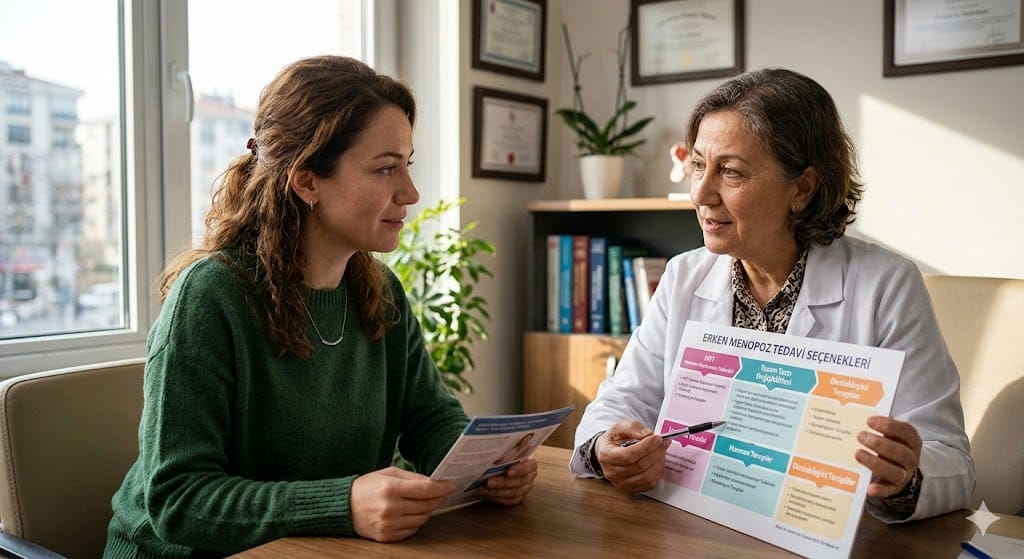
Emotional Impact of Early Menopause
Beyond physical symptoms, early menopause may lead to emotional challenges. Women may experience feelings of depression, anxiety, or inadequacy. The reduced likelihood of natural conception can also cause significant emotional distress. Psychological counseling and support groups can be beneficial in coping with these changes.
Modern Medicine and Early Menopause
Recent medical advancements offer promising developments in early menopause management. Emerging treatments such as stem cell therapies and genetic research may provide innovative solutions in the future. However, these treatments are still under clinical investigation and should only be pursued under specialist supervision.
Specialized fertility clinics provide up-to-date and personalized treatment options to help women manage early menopause more comfortably. With experienced medical teams and advanced technology, individualized care plans can be developed to address each patient’s unique needs.
Early menopause represents a significant life transition for women. With appropriate medical guidance, lifestyle adjustments, and emotional support, its effects can be effectively managed. Modern medical approaches combined with supportive care allow women experiencing early menopause to maintain a healthy and fulfilling life.
❓ What is early menopause?
Early menopause occurs when a woman stops having menstrual periods before the age of 40. It may happen naturally or due to medical treatments, genetic conditions, or autoimmune disorders.
❓ What are the symptoms of early menopause?
Common early menopause symptoms include:
Irregular or missed periods
Hot flashes
Night sweats
Vaginal dryness
Mood changes
Decreased fertility
Recognizing symptoms early helps improve treatment outcomes.
❓ Can early menopause be treated?
Yes. Early menopause treatment focuses on managing symptoms and protecting long-term health. Treatment options may include:
Hormone Replacement Therapy (HRT)
Lifestyle modifications
Calcium and vitamin D supplementation
Fertility support if needed
❓ Is hormone therapy safe for early menopause?
Hormone therapy is generally recommended for women with early menopause until the natural age of menopause (around 50–51), unless contraindicated. It helps reduce symptoms and protect bone and heart health.
❓ Can you get pregnant after early menopause?
Spontaneous pregnancy is rare but possible in some cases. Fertility treatments such as IVF with donor eggs may be an option depending on ovarian function.
❓ What happens if early menopause is not treated?
Untreated early menopause may increase the risk of:
Osteoporosis
Cardiovascular disease
Cognitive changes
Early diagnosis and proper treatment are important for long-term health.